
Fall Cleanup Across Muncie and the I-69 Corridor
You deserve a property that goes into winter ready and comes out of winter ahead. A fall cleanup that lands in the right weeks is what makes that arc possible. A fall cleanup that gets done in one rushed pass, or that arrives after the leaves are already pressed flat against the lawn, is what makes next spring feel like a recovery year instead of a continuation.
The work is not a single visit. It is three connected categories of work, each timed to a different window between mid-October and the first hard freeze. The property that gets all three categories on time arrives at winter clean, with its beds reset and the lawn protected. The property that gets only one or two of them stays half-cleaned through the snow and waits for spring to compensate.
Josh Perkins, Landscape Architect, runs the fall calendar that Plant Studio Landscape’s Muncie fall cleanup crew works from. The page below walks the three categories, explains why each one has a narrow timing window, and names the late-fall lawn-treatment application that ties the cleanup to next season’s lawn.
Three Categories of Fall Cleanup and How They Time Together
The cleanup spans three categories of work, each landing in a different two-to-three-week window in East Central Indiana.
The first category is leaf and debris removal. Heaviest work between mid-October and mid-November as the canopy comes down. The job is to move leaves off the lawn surface before they mat down enough to suffocate the grass below, off bed surfaces before they become a slow-rotting compost layer the mulch will not suppress next year, and off hardscape joints and downspout splash zones before the freeze-thaw cycle pushes them into bigger problems.
The second category is bed and perennial cutbacks. Heaviest work in the second half of November, after most perennials have gone dormant and after the broadleaf-weed flush of late October has been pulled back. The job is to cut perennials back to the crown where the species calls for it, to leave seed heads standing where the species earns the winter interest, to lift any ornamental grasses that need division, and to edge the bed lines back to their intended shape before frost locks them in for the season.
The third category is winterization prep. Heaviest work in the last weeks before the first hard freeze. The job is to disconnect and drain irrigation systems where applicable, wrap or stake any plants that need wind protection, clean and put away seasonal hardscape such as fountain pumps and lighting timers and container plantings, and make any final hardscape repairs that the freeze will lock in if left.
The three categories cannot run at the same time on the same property. Each one is paid for by its window opening, not by the route being convenient. A service that compresses all three into a single November visit is a service that picks one category to do well and lets the other two fall behind.
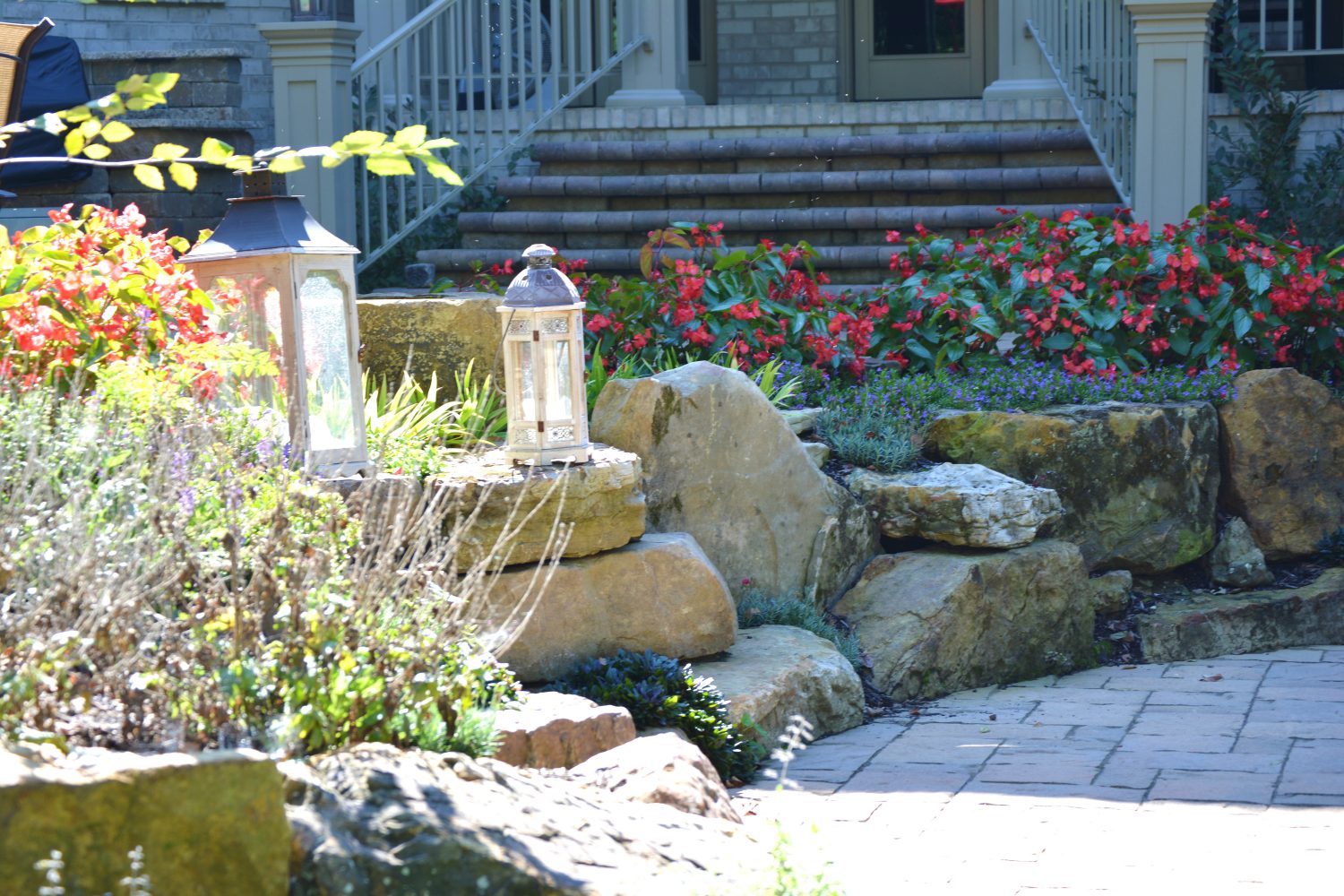
Leaf and Debris Removal: Why the Right Pass Matters More Than the Number of Passes
A lot of homeowners measure fall service by how many leaf passes the crew runs. The number of passes is the wrong variable. The right variable is when the pass lands relative to the leaf drop.
Leaves on a lawn for four days do not damage the grass beneath. Leaves on a lawn for fourteen days, especially after a wet week, do. The leaves mat down, hold moisture against the crown, and create the conditions for snow mold and crown rot once temperatures drop. A property that gets one well-timed pass when the canopy is most of the way down is a property that comes out of winter clean. A property that gets three early passes when not much is down, followed by no pass in mid-November when everything is down, is a property that goes into winter buried.
The same logic applies to beds. Bed-surface leaves through October are mostly cosmetic and easy to remove. Bed-surface leaves through November and into December, after rain has compacted them and the layer beneath has started to compost, are a different removal job and one that wants to happen before the layer locks in. The timing window is short and worth paying attention to.
We schedule leaf passes based on canopy reads, not on calendar dates. A property under heavy oak cover off State Road 28 may run a different route schedule than a property in an open subdivision near the I-69 corridor. The dispatch decision is made on the property, not in the office.
Bed Cutbacks and Perennials: The Late-November Window
The bed cutback window opens once perennials have gone dormant for the year. Cutting back too early, while the plant is still pulling sugars out of its leaves into its crown for winter storage, weakens the plant going into the cold. Cutting back too late, after wet snow has flattened the stems against the crown, makes the cleanup messy and the cuts less clean.
The right window in East Central Indiana is usually the second half of November. Some seasons it opens earlier, some seasons later. The signal is the plant itself: the perennials have lost their color, the stems are browning, the freeze events have started but the ground has not locked in yet. That is the window.
Inside the window, the decisions are species-specific. Hostas and daylilies get cut back to a few inches above the crown. Ornamental grasses such as miscanthus, panicum, and schizachyrium typically get left standing for winter structure and cut back in early spring. Sedum and coneflower seed heads get left standing for the winter interest plus the bird traffic. Peonies get cut back at the soil level to remove the fungal-disease vector their old foliage carries.
The bed edges get re-cut to their intended line during this window too. The clean edge holds through the freeze. A sloppy edge in November is a sloppy edge through April. Bed cutback is also the right time to surface any planting decisions for next spring that the season exposed. Gaps where a plant did not make it, areas that grew more aggressively than the design called for, transitions that need a fix.
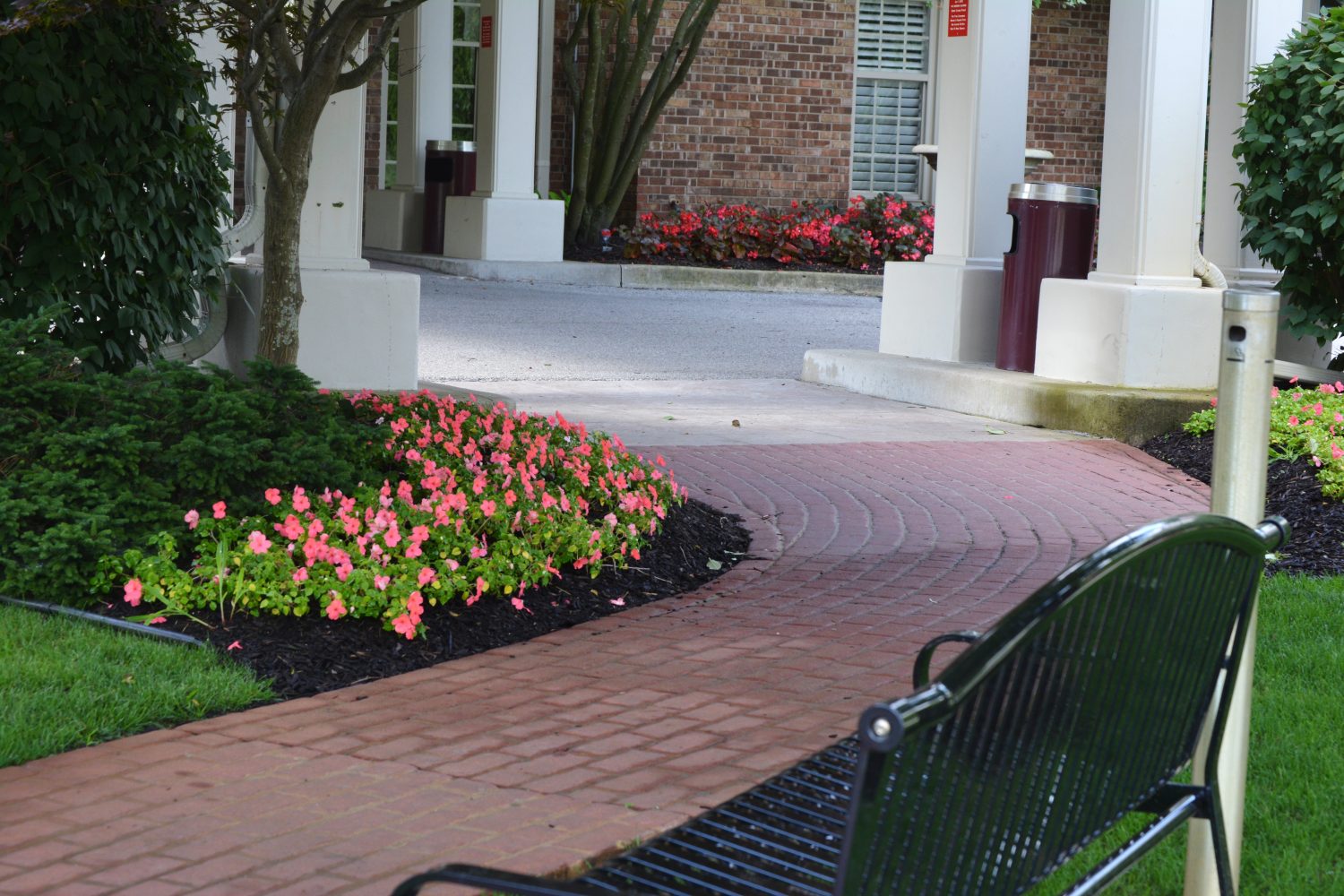
Winterization Prep: What the Property Needs Before the First Hard Freeze
The third category is the smallest in visible work and the largest in damage prevention.
Irrigation systems need to be blown out before the first hard freeze. A pressurized line that freezes can split the pipe, which is a spring repair the homeowner does not want. We coordinate irrigation winterization with the lawn-treatment crew on properties where the late-fall lawn fertilization application is also being timed, so both happen on the same property visit.
Container plantings need to come in or get protection. Most ceramic and terra-cotta containers crack if left outside through a freeze-thaw cycle with soil in them. Empty them, move them, or wrap them. The decision happens at the cleanup, not in March when the cracked container is already a problem.
Outdoor lighting timers and fixtures get a quick inspection. Anything with a transformer that has been sitting through wet weather gets a check before winter shorts. Fountain pumps come out of water features and get stored dry. Anything with a battery backup gets the battery pulled.
Final hardscape repairs that the freeze would lock in get done in this window. A polymeric-sand joint that has washed out over the summer is easier to refill in mid-November than in March. A paver that has settled in a low spot is easier to lift and reset before the ground locks than after. The freeze does not heal what was already wrong; it preserves it.
The winterization category is the one most homeowners do not realize is part of fall cleanup at all. It is also the one that prevents the largest spring surprises. The handoff to the next year’s spring cleanup is cleanest when winterization was done right the November before.
Frequently Asked Questions
What does a fall landscape cleanup involve?
A fall cleanup prepares a property for winter: removing fallen leaves from lawn and beds, cutting back spent perennials where appropriate, final weeding and bed edging, clearing annuals, a last mow at the right height, and often a final mulch touch-up and pruning. In East Central Indiana it also includes getting the landscape and, where applicable, the irrigation system ready for the freeze. It is the bookend to spring cleanup in the seasonal maintenance cycle.
When should fall cleanup be done in Indiana?
Generally mid to late fall, after most leaves have dropped but before the first hard freeze and snow, which in East Central Indiana usually means October into November depending on the year. Timing it after the bulk of leaf fall avoids needing multiple passes, while finishing before winter sets in protects the lawn and beds. For properties with irrigation, fall cleanup is coordinated with the system blowout before freezing temperatures arrive.
Why is it important to remove leaves in the fall?
A thick layer of fallen leaves left on a lawn over winter blocks light and air and traps moisture against the grass, which encourages mold, disease, and dead patches that show up in spring. Leaves matted on beds can smother perennials and harbor pests. Clearing them in fall protects the lawn and plants through the dormant months so the property comes back healthy. It is one of the highest-value fall tasks for long-term lawn health.
Should perennials and grasses be cut back in fall or spring?
It depends on the plant. Some perennials are best cut back in fall to prevent disease and tidy the beds, while others, including many ornamental grasses and seed-bearing perennials, are better left standing for winter interest and wildlife and cut back in spring. A knowledgeable fall cleanup makes that call plant by plant rather than shearing everything to the ground. Getting it right protects plant health and keeps the winter landscape from looking bare.
Does fall cleanup help my lawn come back better in spring?
Yes, significantly. A lawn and landscape that go into an Indiana winter clean, cut to the right height, fed in fall, and free of matted leaves come through dormancy far healthier and green up faster and more evenly in spring. Fall is when the groundwork for next year is laid. Skipping it usually means a slower, patchier spring and more corrective work, which is why fall cleanup is one of the most worthwhile services of the season.
Schedule a Fall Cleanup Walk
We believe the fall window decides what next spring looks like more than the spring window itself does. A first walk does not cost anything. We walk the property, name what the three windows would catch on this specific lot, and tell you what the calendar would look like across mid-October through the first hard freeze. Call (765) 717-3917 or request a quote. The conversation works whether the property is on an annual maintenance contract or whether this would be a one-off fall visit.