
An Outdoor Room Is Architecture, Not Patio Furniture
A homeowner usually comes to me describing an outdoor living project as a list of pieces: a patio, a fire feature, maybe a pergola, eventually an outdoor kitchen if the budget allows. The list is fine as a starting point. It is also not what an outdoor living space actually is.
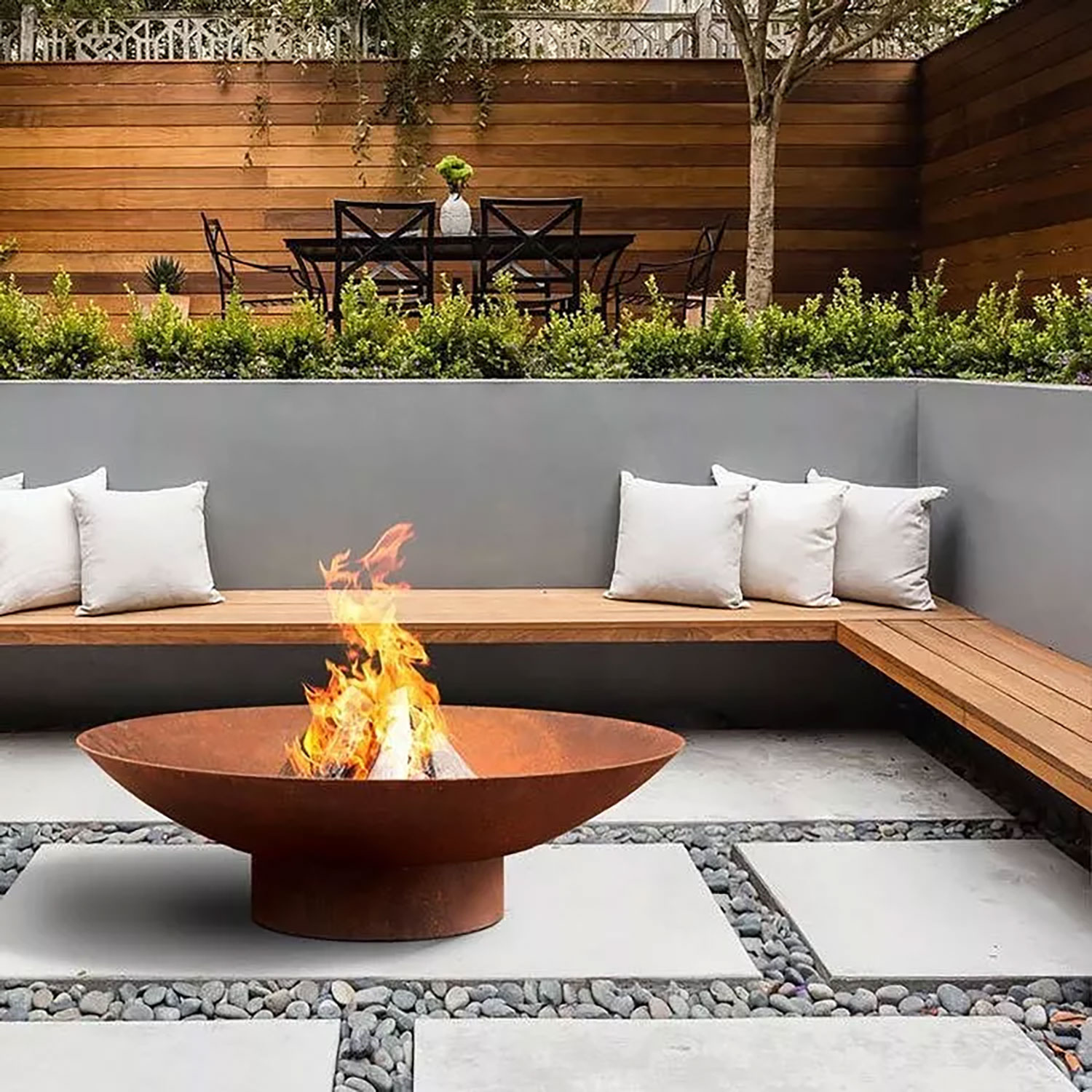
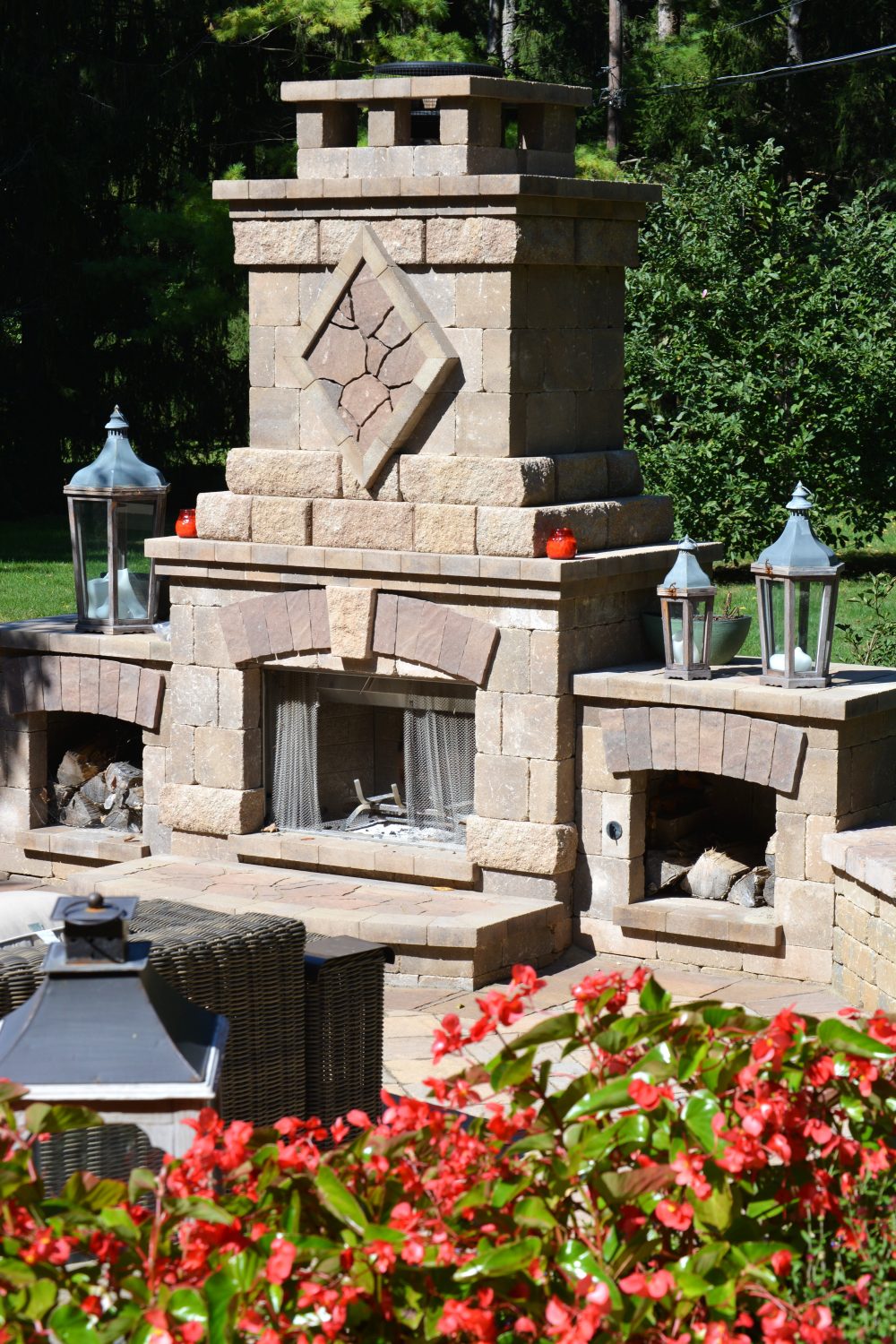
What we are building, when we do it right, is a room. The patio is the floor. The pergola is the ceiling. The planting is the walls. The lighting tells your eye when the room ends and the rest of the yard begins. The fire feature anchors where you sit, the way a fireplace anchors a living room indoors. If those pieces come together as one composition, you spend evenings in the room. If they get installed as separate upgrades, you walk past them.
I am Josh Perkins, Landscape Architect, and I lead the design work at our design and build studio in Muncie. The sections below are how I think about the work and what I have learned from twenty-some years of designing outdoor rooms for properties from Muncie out past 8th Street toward Mounds State Park, the I-69 corridor, and further.
The Room You Are Actually Building
When I sketch an outdoor living space, the first question is not “how big is the patio” or “what is the budget.” It is “what room is this.” Specifically: what does this room want to do that the house’s existing rooms cannot do?
Some properties need a quiet outdoor reading room with deep furniture, a fire feature for fall evenings, and planting screening from the neighbor’s deck. Some need a gathering room sized for the family-plus-friends Saturday-night load, with a dining table, a fire pit, and an outdoor kitchen on the same elevation as the indoor kitchen door. Some need both rooms on the same property, divided by a low wall or a step in the paving. Properties where the patio surface itself is the focal architecture often deserve their own dedicated process; I have written more on that in luxury patio design.
Once that question is answered, every other decision follows from it. The patio shape comes from the seating arrangement the room needs to hold. The pergola goes where the seating area needs a ceiling for shade or rain. The lighting goes where eye-level needs visual containment after dark. Material choices come from how the room reads against the house, not from a catalog page. You do not buy a couch and then build a living room around it; you do not start with a paver and build an outdoor space around it either.
What I Look For First on a Property
I walk every property before drawing anything. I am looking for five things, in roughly this order.
The doors. Where the house lets you out determines where the patio wants to be. A walkout-basement door and a kitchen door give you different rooms; both is a multi-level project.
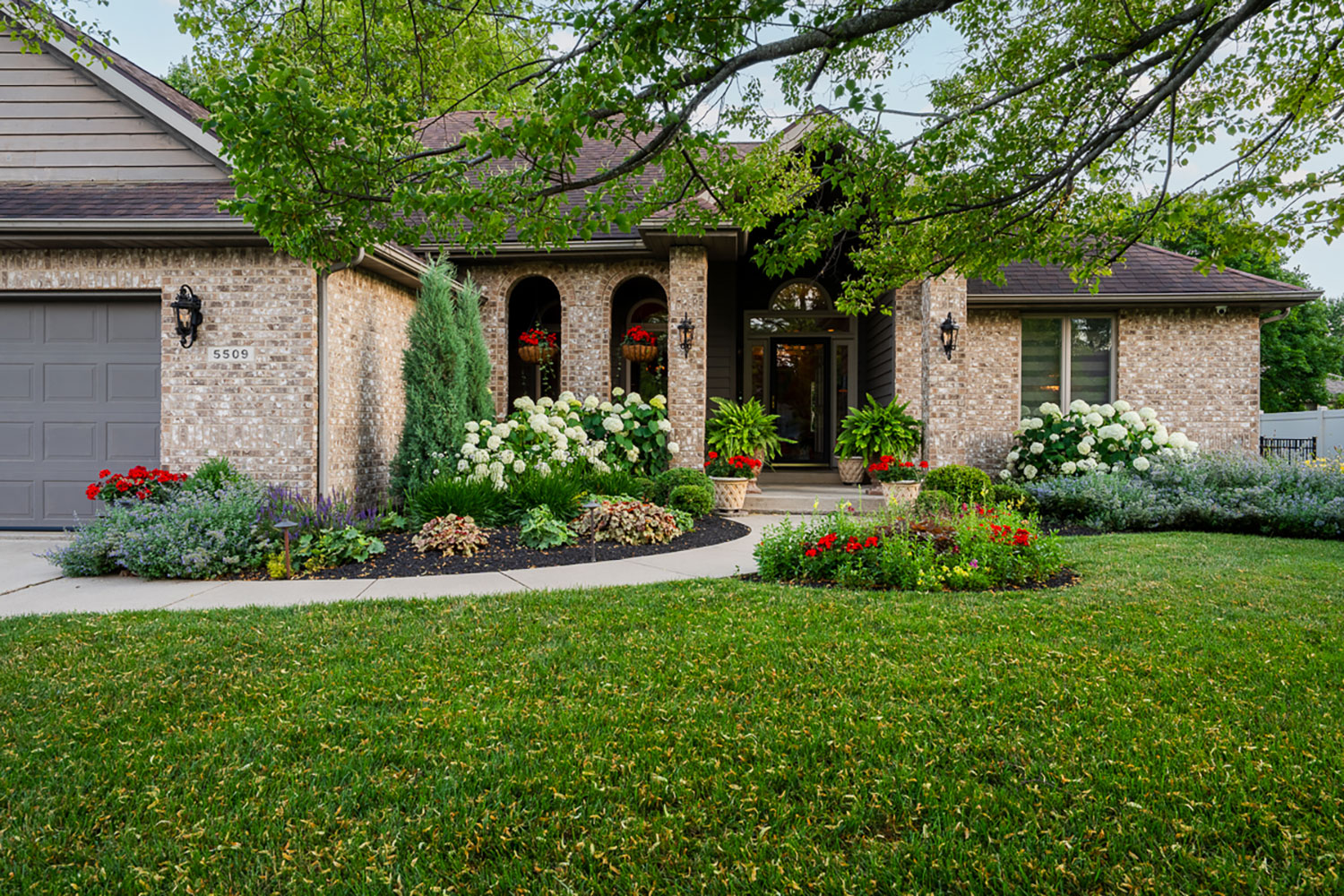
The grade. Indiana lots usually have more grade than the homeowner realizes. The grade is either a gift (it gives the room a built-in vertical dimension) or a problem (it sends water at the back door). I would rather find the answer before I start drawing.
The sight lines. What does the seating area look out toward? What does the seating area look back at? The view from the patio toward the house matters as much as the view from the patio out, because the back of most houses is not designed for evening contemplation.
The trees. Mature trees give an outdoor room its character on day one. I almost always design around them rather than removing them. The trees that have to come out get marked early in the conversation so the surprise is not at construction time.
The neighbors. Where does the screening need to live? Some properties need screening on three sides. Some need it only at a specific angle from one upstairs window. I want to know which before I plant a single shrub.
Where Most Outdoor Living Projects Go Wrong
I see three failure patterns when homeowners describe outdoor projects that did not work.
The first is what I call the upgrade trap. A patio gets added one year, a pergola two years later, a fire feature the year after that. Each piece is fine in isolation. None of them were designed against the others. The patio ends up too small for the dining table that arrives once the pergola is up. The fire feature ends up in a draft because the pergola changed the wind pattern. The room never quite reads as one room. The fix is upstream: design the whole composition first, build in phases if you need to, but build to one plan.
The second is what I call material overreach. Homeowners specify high-end natural stone for the patio, premium hardwood for the pergola, and then discover the budget has run out before the lighting and planting that would have made the room read finished. The result is a stunning patio in a yard that is otherwise unfinished, and a room that never coheres. The fix is to spec the whole project at consistent quality. Better to do every layer at a workable grade than to do one layer beautifully and leave the others off.
The third is what I call the Pinterest gap. Photographs flatten outdoor rooms. You see the firepit at golden hour and not the way the homeowner has to walk through the gas grill to get to it. You see the pergola and not the way the columns block the view from the dining table. I look at saved images with homeowners as a vocabulary check, not as a copy target. We are building for your property and your evenings, not for somebody else’s photograph.
What the Finished Room Should Feel Like
When an outdoor living project is finished correctly, three things happen on the first weekend you use it.
You walk out of the house and do not have to decide where to sit. The composition has already told you. The seating area reads as the obvious destination, the way a living-room couch reads from the doorway.
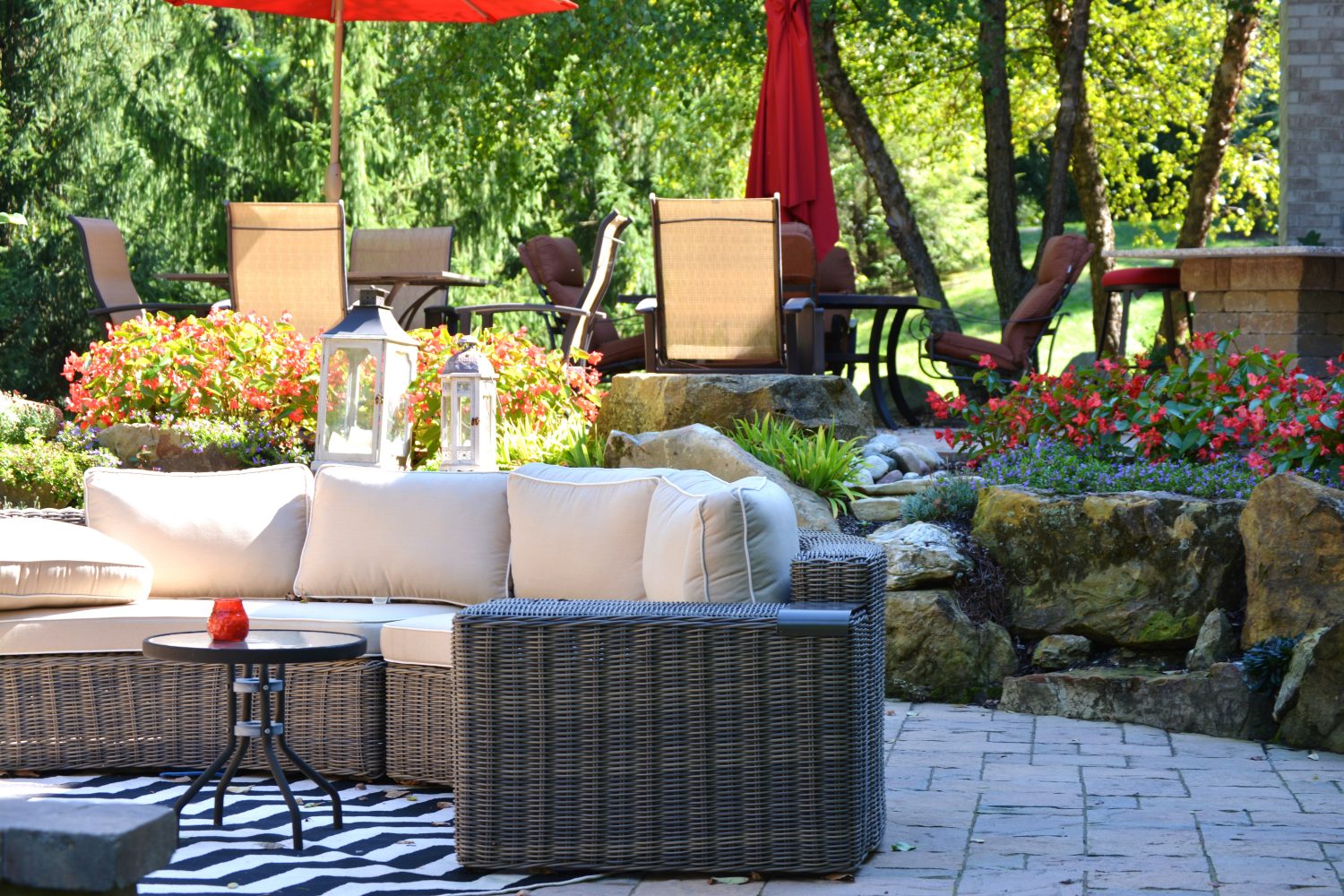
The room holds the conversation. At one end you are talking with the people next to you on the sectional; the dining table at the other end is in earshot but not on top of you. The patio shape and the planting and the lighting together do this work; you should not have to think about it.
You stay outside longer than you planned. Most evenings on a well-designed outdoor room run an hour longer than the homeowner thought they would. The fire feature, the lighting, and the shelter together extend the evening past where a bare patio would have sent everyone back inside. This is the test I use when I walk a finished project: did the family use it longer than they expected to. If yes, the room works.
The room is also the part of the property you walk past most often without thinking about it. That is the highest compliment. Designed rooms disappear into use. Walking around the house is what the homeowner does; sitting in the room is what the homeowner does in it. The room earned its place when the homeowner stops noticing the room and starts living in it.
Frequently Asked Questions
What is an outdoor living space?
An outdoor living space is a yard designed to function like rooms of the house: areas for cooking, dining, gathering around a fire, and relaxing, connected by hardscape and defined by planting, lighting, and structure. Rather than a single patio, it is an integrated set of spaces planned together. At Plant Studio Landscape an outdoor living project on a Muncie property is designed as one piece of work, so the kitchen, the fire feature, the seating, and the planting relate to each other instead of being added on one at a time.
What features are most popular in outdoor living spaces?
The most requested elements are outdoor kitchens, fire features such as fire pits and fireplaces, covered structures like pergolas and pavilions, comfortable hardscape seating areas, and landscape lighting that lets the space work after dark. For East Central Indiana homeowners, fire features are especially valuable because they extend the usable season into the cooler spring and fall evenings. The right mix depends on how a family actually wants to use the yard, which is the conversation the design starts with.
How do you design an outdoor living space for the Indiana climate?
Designing for East Central Indiana means planning for a real four-season climate. Fire features and covered structures extend the season on both ends. Hardscape is built on bases sized for freeze and thaw so the surfaces stay flat. Drainage is designed so the space stays usable after a wet spring rather than holding water. Plant selections and screening account for sun, wind, and privacy. The goal is a space that gets used from the first warm week of spring through the last cool evening of fall, not just in midsummer.
Is it better to build an outdoor living space all at once or in phases?
Both work, and the right answer depends on budget and scope. Building all at once means one mobilization and a single coherent build. Phasing across seasons spreads the investment while still following one master plan, so each phase fits the finished vision rather than boxing in the next step. The key is designing the whole space first, even if it is built in stages, so the patio you pour this year does not have to be cut apart to add the kitchen next year.
How much does an outdoor living space cost?
Because an outdoor living space combines several elements, hardscape, a kitchen or fire feature, lighting, structures, and planting, the cost varies widely with scope and material. It is a larger investment than a single patio and is best understood after a site walk, where the grade, drainage, access, and how you want to use the space can all be assessed. You see a written proposal with the full scope and number before any work begins, and one team designs and builds all of it.
Schedule an Outdoor Living Consultation
A first conversation does not cost anything. I walk the property with you, listen to how you want to use the space, and tell you what I would design and what I would not. You deserve a landscape company that designs around how your family actually lives, not around the photos you saved on Pinterest. Call (765) 717-3917 or request a quote and we will get a site walk on the calendar.