
Outdoor Kitchens Built as Structural Projects First
We believe an outdoor kitchen is architecture, not appliances. A homeowner usually describes the project as a list of equipment: the grill, the side burner, the sink, the refrigerator, the pizza oven if there is room in the budget. The list is fine as a starting point. It is also not the project. The project is the structure that holds those pieces. Counter material, base structure, surrounding hardscape, drainage off the cooking surface, sight lines from the seating, shade and shelter through summer rain, and the way the kitchen reads as part of the property when no one is cooking.
When the structure is right, the appliances do what the homeowner bought them to do. When the structure is wrong, the appliances spend a few summers as the most expensive failed feature on the property.
I am Josh Perkins, Landscape Architect, and I lead the design work at Plant Studio Landscape’s Muncie outdoor kitchen team. The page below walks the three kitchen types we design most often for East Central Indiana properties and what every kitchen we design has in common regardless of type.
Three Outdoor Kitchen Types We Design For Indiana Properties
Three character types account for most of the outdoor kitchens we design. The character defines almost everything else: footprint, appliance count, utility requirements, integration into the broader outdoor program, and build cost.
The first is the grill-and-counter kitchen. The simplest of the three. A single built-in grill, a flanking counter surface for prep work, storage drawers below, and often a small refrigerator built into the base. No sink, no separate cooking station, no extras beyond what the cooking needs. This kitchen serves homeowners who cook outdoors two or three times a week in season and want a permanent dedicated spot that beats wheeling a grill out from the garage each time. Footprint typically eight to twelve linear feet of counter. Build cost tends to be 30 to 50 percent of a full kitchen and 80 percent of the use.
The second is the full cooking kitchen. The middle category. A grill, a side burner, a built-in sink with hot and cold water, a counter-depth refrigerator, dedicated storage, and an integrated seating bar for two to four people. This kitchen supports actual dinner-from-scratch cooking outdoors. The homeowner can prep, cook, plate, and serve without going back to the indoor kitchen except for the dishwasher. Footprint typically 14 to 20 linear feet, sometimes in an L-shape. Build cost lands between a high-end indoor kitchen renovation and a full outdoor-room build.
The third is the entertaining kitchen. The full category. A grill plus pizza oven plus smoker plus possibly a kamado-style cooker. Multiple cooking stations, multiple prep zones, an outdoor wine refrigerator separate from the food refrigerator, often a beer tap, dedicated bar seating for six to ten, and a covered roof or pergola structure that lets the kitchen function in light rain. Designed around how the homeowner entertains rather than around how the household cooks. Build cost is significant and worth understanding before the design conversation starts.
Most homeowners we walk with come in thinking Type 3 and end up at Type 2. A few stay at Type 1 by choice once they realize the maintenance and use frequency line up better at that footprint.
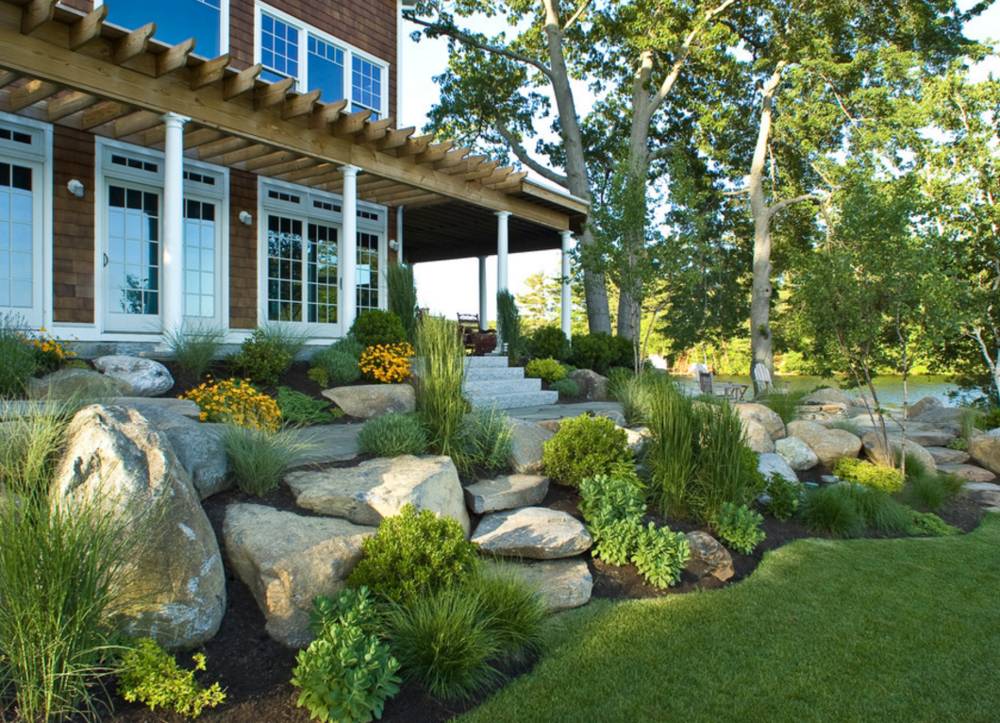
Structural Decisions That Decide Whether the Kitchen Lasts
Independent of which of the three types, four structural decisions decide whether the outdoor kitchen is still usable in year ten.
The counter material has to handle freeze-thaw without cracking, weight loading from heavy cookware without flexing, and weather staining without becoming embarrassing. Granite holds up best in Indiana conditions. Concrete works if the mix is right. Tile and most wood are wrong choices for our climate. We do not specify materials that need annual sealing the homeowner will not actually do.
The base structure has to be built on a foundation that does not heave with the freeze-thaw cycle. A standard four-inch concrete pad is not enough. A real outdoor kitchen base wants the same footing depth as a residential addition. The shortcut here is what makes most failed outdoor kitchens fail.
The drainage off the cooking surface and out from under the kitchen footprint matters more than most homeowners think. Water has to leave the counter, leave the storage area, and leave the pad surface fast enough that the structure does not stay wet through a rainy stretch.
The roof or shade structure has to be designed at the same time as the kitchen, not added later. A kitchen designed with a pergola has different counter heights and different appliance placements than a kitchen designed open and roofed later. Designing the roof second is what leaves a kitchen that gets used six months a year instead of eight.
What Every Outdoor Kitchen We Design Has in Common
Regardless of which type the design lands on, five elements run through every kitchen we design.
First, the kitchen sits in the outdoor living program. It is not a standalone feature added to a back yard. Where it sits relative to the seating, the fire feature, the pool if there is one, and the route from the indoor kitchen all get drawn at the same time. The integration is what makes the kitchen part of the property rather than a feature dropped into it.
Second, the kitchen plans for shade and shelter. A kitchen that bakes in the August afternoon sun and floods in the August evening rain is a kitchen the family stops using by year three. We design for both conditions from the start.
Third, the kitchen plans for the off-season. Five months of the year the outdoor kitchen sits through Indiana winter. Appliances need covers and possibly removal. Plumbing needs winterization. The kitchen has to read as a designed structure when it is not in use, not as a covered pile of appliances.
Fourth, the kitchen accounts for utility runs. Gas, electric, water, drain. The trenching and supply work happens before the hardscape is set, not after. The hardscape we set on top has to be liftable later for any utility repair. Polymeric-sand jointed pavers come back up. Mortared joints become a destruction-and-rebuild problem.
Fifth, the kitchen integrates with the surrounding outdoor living spaces, with the hardscape framework, and with the rest of the property’s planting and lighting. A kitchen we design rarely stands alone. It sits inside an outdoor room, on a designed patio, with surrounding work that matches the rest of the property.
Frequently Asked Questions
What is included in an outdoor kitchen?
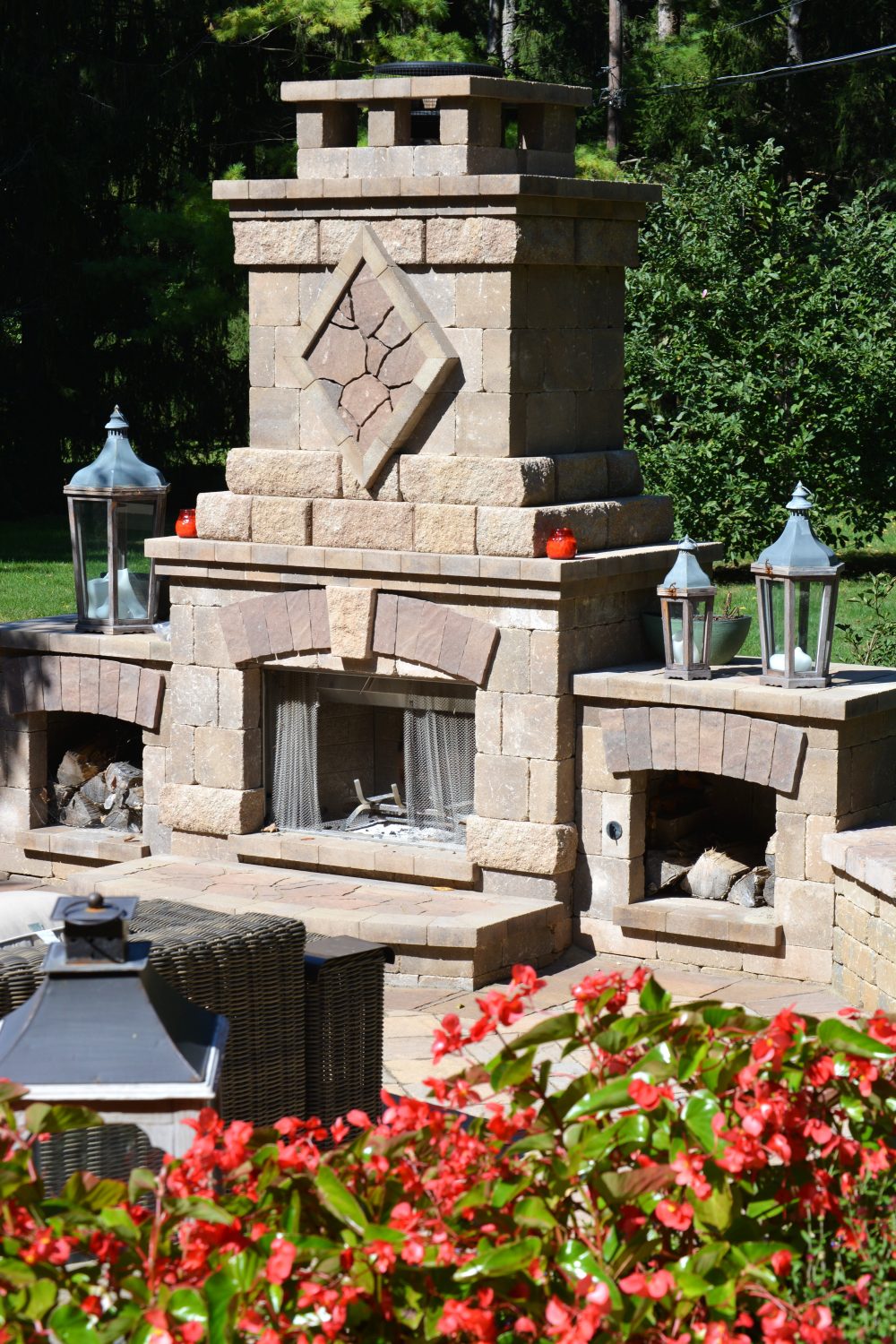
An outdoor kitchen ranges from a built-in grill with counter space to a full setup with a grill, side burners, refrigeration, storage, a sink, and bar seating, set into durable masonry or stone. At Plant Studio Landscape it is designed as part of the surrounding outdoor living space, so the kitchen, the dining area, the fire feature, and the patio work together. The right configuration depends on how a family cooks and entertains, which is where the design conversation starts.
What materials hold up best for an outdoor kitchen in Indiana?
The structure needs to handle freeze and thaw, moisture, and temperature swings. Masonry block or steel framing faced with stone or stucco, stainless steel appliances and doors rated for outdoor use, and durable countertop surfaces such as granite or porcelain all perform well in East Central Indiana. The base and foundation matter as much as the finishes; like any hardscape, an outdoor kitchen built on a properly prepared base does not shift or crack over Indiana winters. Quality outdoor-rated components are what keep it looking and working right for years.
Can an outdoor kitchen be used in cooler months?
Yes. Many East Central Indiana homeowners pair an outdoor kitchen with a fire feature and a covered structure precisely so the space extends well into the cool spring and fall, and even mild winter days. Grilling does not stop when the temperature drops, and a sheltered, heated gathering area next to the kitchen makes the space genuinely four-season. Designing for that from the start, with the right layout, cover, and heat, is what turns a summer-only grill into a space that gets used most of the year.
How much does an outdoor kitchen cost?
The range is wide because it depends on the appliances, the materials, the size, and whether utilities such as gas, water, and electrical need to be run. A built-in grill station is a moderate investment; a full kitchen with refrigeration, a sink, and premium finishes is considerably more. Because it is usually built as part of a larger outdoor living project, the honest number comes from a site walk where the layout, utilities, and surrounding hardscape can all be planned together. You see the full scope and price before any work begins.
Do you need utilities run for an outdoor kitchen?
It depends on the design. A basic grill station may need only a gas line or nothing at all, while a full kitchen with refrigeration, lighting, and a sink needs electrical, a gas line, and water and drainage. Planning those runs before the hardscape goes in is important, because retrofitting utilities under a finished patio is costly. This is one reason an outdoor kitchen is best designed as part of the whole outdoor living plan, so the utility work is sequenced correctly with the build.
Schedule an Outdoor Kitchen Walk
You deserve a kitchen that gets used the way the appliances were sold to be used, not just on three or four perfect summer Saturdays a year. A first walk does not cost anything. We walk the property, talk through what kind of cooking the family actually does outdoors and what they would do if the kitchen were the right kitchen, look at where it would sit relative to the rest of the outdoor program, and tell you which of the three types fits. Call (765) 717-3917 or request a quote.